
Greetings from the Editor-in-Chief

Articles
Metal-support frontier orbital interactions in single-atom catalysis
Single-atom catalysts (SACs), with their structurally simplified active sites, provide a unique platform for probing catalytic mechanisms at the atomic level. The performance of SACs—both activity and stability—is fundamentally governed by synergistic frontier orbital interactions at the metal–adsorbate and metal–support interfaces. Yet, a quantitative atomic-scale understanding of how these interactions determine catalytic performance remains elusive. Here, we show that the lowest unoccupied molecular orbital (LUMO) positions of pristine semiconducting supports, measured via Mott–Schottky analysis across 14 distinct materials, scale approximately linearly with the hydrogenation activity of supported palladium (Pd₁) atoms. Strikingly, downsizing the support to a few nanometers elevates its LUMO position, leading to record-high activity and outstanding stability in acetylene semihydrogenation. Theoretical calculations reveal that this LUMO elevation reduces the energy gap with the highest occupied molecular orbital (HOMO) of the Pd₁ atoms, which reinforces Pd₁–support orbital hybridization for enhanced stability; in turn, it sequentially tunes the LUMO of the anchored Pd₁ to amplify Pd₁–adsorbate interactions for improved activity. These findings are consistent with frontier molecular orbital (FMO) theory and establish the LUMO position of semiconducting supports as a general descriptor for the rational design of metal–support pairs with predictable hydrogenation performance.
Electronic structure of Ruddlesden-Popper bilayer nickelate films
The discovery of high-temperature (high-TC) superconductivity in nickelates represents an important breakthrough in condensed matter physics. In particular, the realization of high-TC superconductivity in Ruddlesden-Popper bilayer nickelate films under ambient pressure provides a unique opportunity to examine the electronic structure by angle-resolved photoemission spectroscopy (ARPES). In this video review article, we summarize and highlight our recent progress in Ruddlesden-Popper bilayer nickelate films. Technically, an ultrahigh-vacuum cryogenic sample quenching and transfer technique is developed to overcome the oxygen loss issue of the superconducting films, and laser-based ARPES measurements are performed to get high-quality data. Scientifically, a nodeless superconducting gap, a pseudogap and an electron-boson coupling are observed. The nodeless superconducting gap favors s-wave (s±) pairing symmetry, and the electron-boson coupling provides new insight into the possible pairing glue for high-TC superconductivity. This article reviews the above key observations in a video format, aiming to stimulate future investigations in the field of nickelate superconductors.
Microscopic investigation and manipulation of topological solitons in 1D electronic systems
We witness that silicon device technology, the foundation of current information civilization, is close to its end with the limit of device miniaturization and the explosive growth of energy consumption in processing information. While post-Si device architectures such as TMDC devices are under active development, technological and fundamental breakthroughs are required for devices consuming much less energy. From the physics point of view, it is a challenge to find quasi-particles and their device platforms that can carry information at higher density and without energy dissipation. While there are a few candidates such as photons, Cooper pairs, various quantum Hall currents, spin currents, and excitons, we have proposed topological solitons in 1D and 2D materials as one new direction. In 2013–2017, we made it possible to microscopically observe individual topological solitons in 1D materials for the first time since their discovery in 1979. Until 2022, we developed this research to secure model 1D systems for a few different types of microscopically accessible solitons and to track their motions. Our recent work demonstrates the manipulation of solitons and their interactions, which may open a way toward soliton technology in electronic systems. On the other hand, these works open a research field where one can study the structures, electronic states, kinetics, dynamics, and interactions of individual solitons. At the end of the video article, we show that the soliton concepts are helpful in understanding the physics of topological domain walls in complex 2D quantum materials.
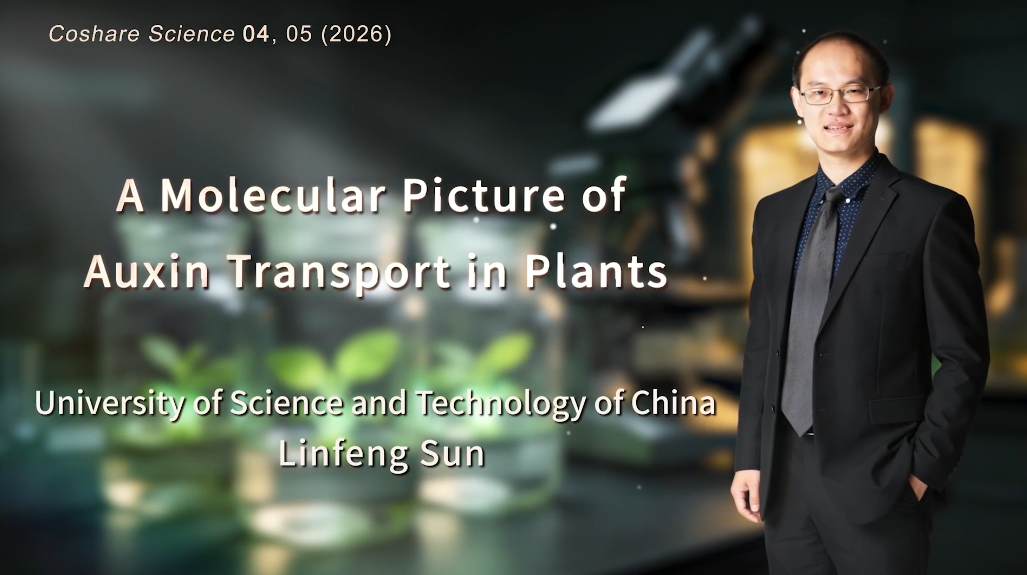
A molecular picture of auxin transport in plants
The author highlights his group’s research on the mechanistic characterizations of auxin exporters and importers in plants, with particular emphasis on the structure determination of these transporters using cryo-electron microscopy (cryo-EM). Auxin, the first plant hormone to be identified, is involved in nearly all aspects of plant growth, development, and responses to environmental cues. The biological activity of auxin depends on the establishment of local concentration gradients, which are generated through the process of polar auxin transport (PAT). Members of the PIN-FORMED (PIN) protein family and the AUXIN1/LIKE-AUXIN1 (AUX1/LAX) family are key components of PAT, mediating cellular auxin efflux and influx, respectively. Using cryo-EM single particle analysis, high-resolution structures of PIN1 and AUX1 were determined, revealing the overall architecture of each transporter as well as their modes of auxin and inhibitor binding. Biochemical analyses further demonstrated distinct transport mechanisms, showing that PIN1 functions as an auxin uniporter, whereas AUX1 acts as an auxin and proton symporter. Together, these findings advance our understanding of the molecular basis of PAT in plants, and provide a foundation for future agricultural applications targeting auxin transporters.
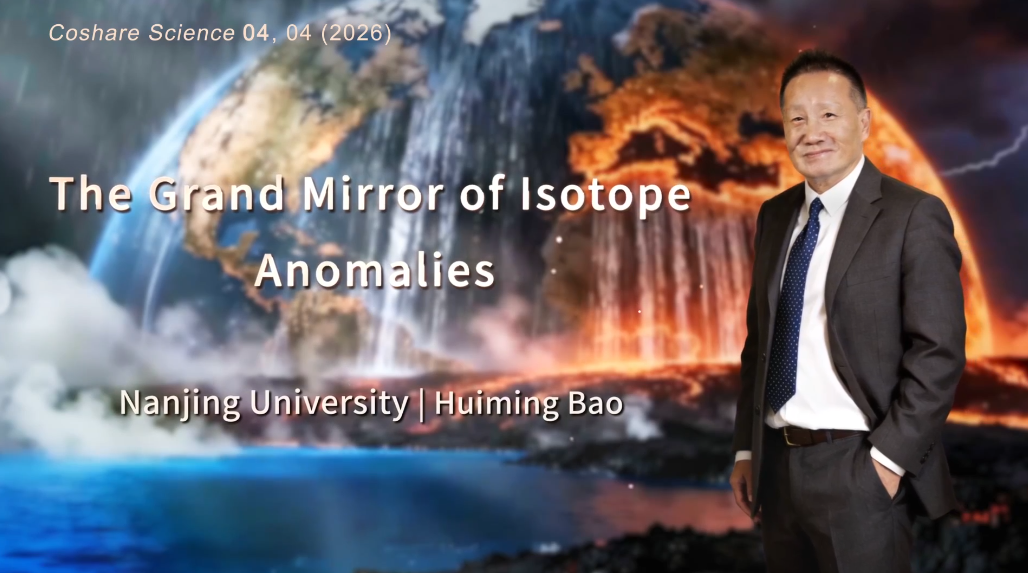
The grand mirror of isotope anomalies
The existence of a pO₂ threshold that switched off one photochemical reaction, i.e., deep UV SO₂ photolysis in the troposphere, and switched on another photochemical reaction, i.e., the CO₂–O₂–O₃ reaction network in the stratosphere, has resulted in a grand mirror of isotope anomalies over the 4.6 Ga Earth history. The rock record reveals this grand pattern.
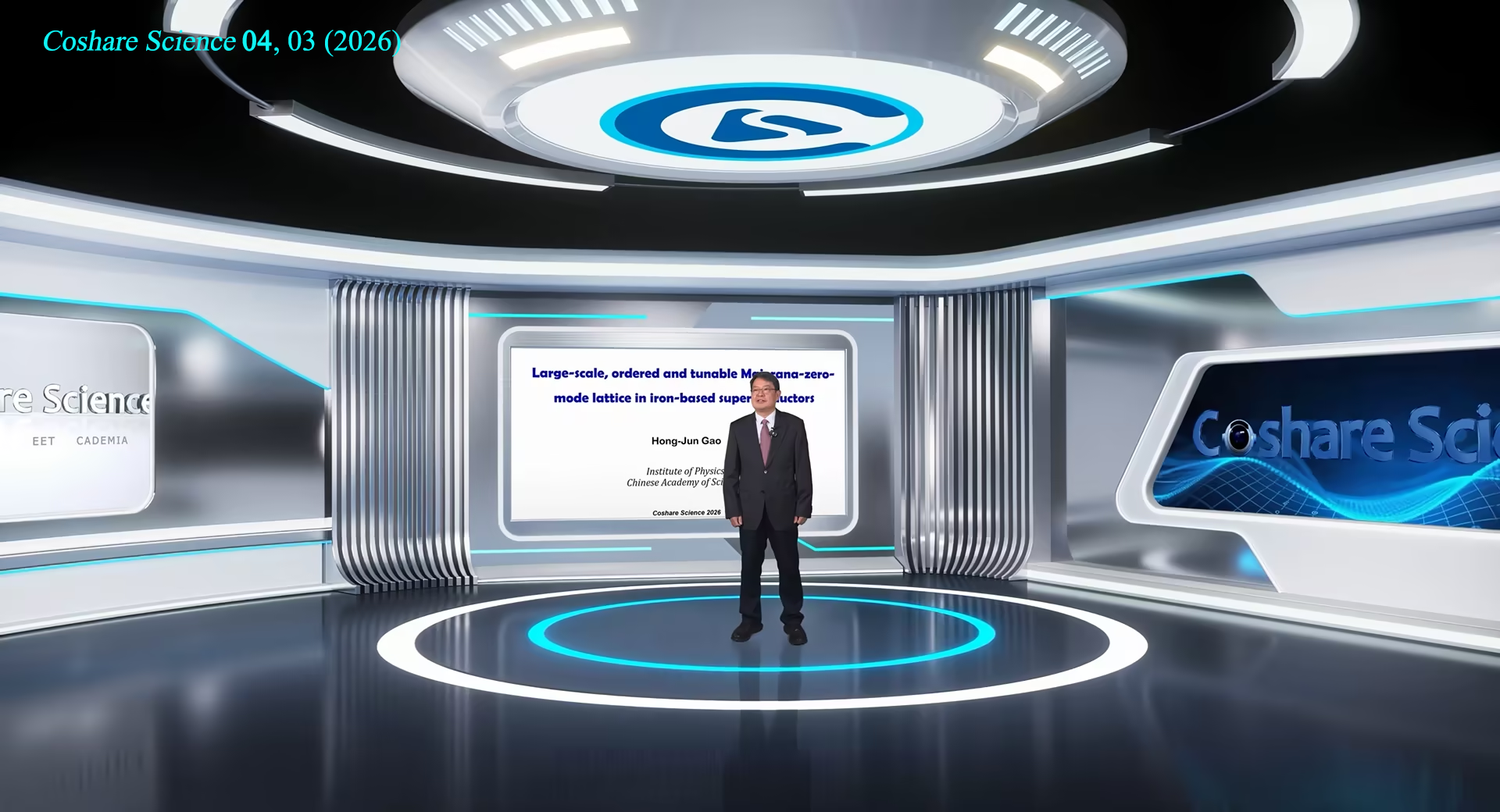
Large-scale, ordered and tunable Majorana-zero-mode lattice in iron-based superconductors
Majorana zero modes (MZMs) are spatially-localized zero-energy fractional quasiparticles with non-Abelian braiding statistics. They are believed to hold great promise for topological quantum computing. By using low-temperature and strong-magnetic-field scanning tunneling microscopy/spectroscopy, a breakthrough of Majorana zero mode has been firstly achieved in a single material platform of high-Tc iron-based superconductor, FeTe0.55Se0.45. The mechanism of two distinct classes of vortices presented in this system was revealed, which directly tied with the presence or absence of zero-bias peak. We further found the Majorana conductance plateau in vortices. Both the extrinsic instrumental convoluted broadening and the intrinsic quasiparticle poisoning can reduce the conductance plateau value, and when extrinsic instrumental broadening is removed by deconvolution, the plateau nearly reaches a 2e2/h quantized value. Moreover, we confirmed the existence of MZMs in the vortex cores of CaKFe4As4 and LiFeAs. Based on these works mentioned above, most recently, we have successfully achieved the large-scale, highly-ordered and tunable MZM lattice in strained LiFeAs. Notably, more than 90% of the vortices are topological and possess the characteristics of isolated MZMs at the vortex center, forming ordered MZM lattice with the density and the geometry tunable by external magnetic field. With decreasing the spacing of neighboring vortices, the MZMs start to couple with each other. Our results show a great potential of MZMs in the application of topological quantum computations in the future.
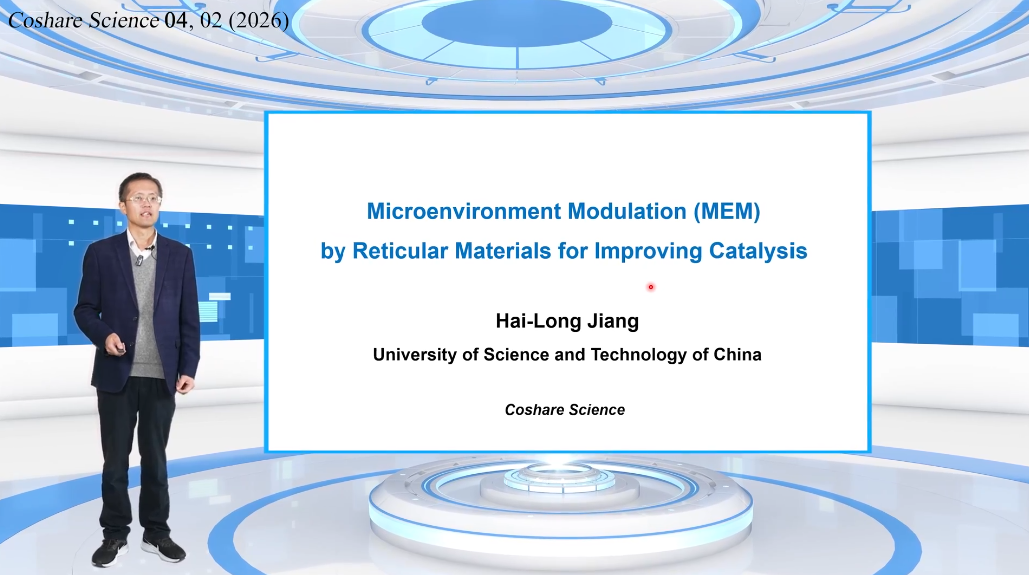
Microenvironment modulation (MEM) by reticular materials for improved catalysis
Catalyst design and optimization are central to advancing catalytic science. In both enzymatic and homogeneous systems, the microenvironment that creates distinct spatial and electronic configurations around active sites showcases profound influence on catalytic behavior. However, elucidating microenvironment modulation (MEM) in heterogeneous catalysts remains a significant challenge, primarily due to the structural rigidity and limited tailorability of conventional solid materials. Reticular materials, including metal–organic frameworks (MOFs) and covalent organic frameworks (COFs), have recently emerged as prominent candidates for heterogeneous catalysis. Their atomic-level structural precision and high degree of tunability render them ideal model systems for MEM around catalytic sites. As such, MOFs and COFs offer unique opportunities to unravel the role of MEM in governing catalytic performance. In this presentation, I will highlight our recent progress in leveraging MEM surrounding catalytic sites based on reticular materials for improving catalysis.
Making wafer-scale 2D semiconductors
This video article highlights the recent works by Prof. Kaihui Liu’s group at Peking University in making wafer-scale 2D semiconductor thin films. In contrast to conventional epitaxial surface growth methods, they have developed two novel epitaxial interface growth methods, which have enabled them to make various 2D semiconductors in wafer scale for device fabrication. As exemplified in this video highlight, using the novel interfacial lattice-epitaxy growth method, they have successfully made single-crystal 4-cm wafers of MoS2, with a thickness ranging from 1 to ~1500 layers, of high crystallinity and uniformity. Furthermore, they fabricated mono-, bi-, and tri-layer MoS2 transistors, whose electrical performance exceeds the IRDS 2028 mobility target. Also, using the interfacial solid-liquid-solid growth method, they have made single-phase single-crystal 5-cm wafers of InSe multilayer films and fabricated integrated circuits of transistor arrays with a performance matrix surpassing the Si Intel 3nm technology.
Efficient and stable weakly space-confined perovskite LEDs
The author highlights his group's research, focusing on developing high-efficiency and stable perovskite light-emitting diodes (PeLEDs), with particular emphasis on exploring a new approach to improve the efficiency and lifetime through a “weak space-confinement” strategy. Although the conventional “strong space-confinement” strategy can improve emission efficiency, it also leads to severe Auger recombination and ion migration, resulting in low brightness and poor device stability of perovskite LEDs. Moreover, the commonly used organic ligands in such systems exhibit poor thermal stability and cannot withstand Joule heating during device operation, thereby limiting the long-term stability. To overcome these challenges, hypophosphorous acid (HPA) and ammonium chloride (NH4Cl) were introduced into the CsPbBr3 precursor system to regulate the crystallization process. This approach yielded highly crystalline perovskite films with large grain size and low grain-boundary density. The weakly space-confined perovskite films show suppressed Auger recombination, reduced ion migration, and enhanced thermal stability. Based on this design, the fabricated green PeLEDs achieved an external quantum efficiency (EQE) of 22%, a maximum brightness of 1.16×10⁶ cd m-2, and an extrapolated lifetime of 1.85×10⁵ hours at 100 cd m-2. These results represent a significant breakthrough in both brightness and stability, providing a promising pathway toward the practical application of perovskite LEDs.
Realization of correlated and topological electronic states in crystalline graphene
Electron-electron interactions can be significant in graphene with an ABC-stacking sequence. By developing innovative experimental techniques, we successfully fabricated high-quality ABC-stacked multilayer graphene and observed a correlated insulating state at charge neutrality, beginning with ABCA-tetralayer. Furthermore, by introducing proximity-induced spin-orbit coupling, at the charge neutrality point of ABCA-tetralayer, we achieved a topological Chern insulator with a layer-number-dependent Chern number of four.
- 1
- 2
- 3